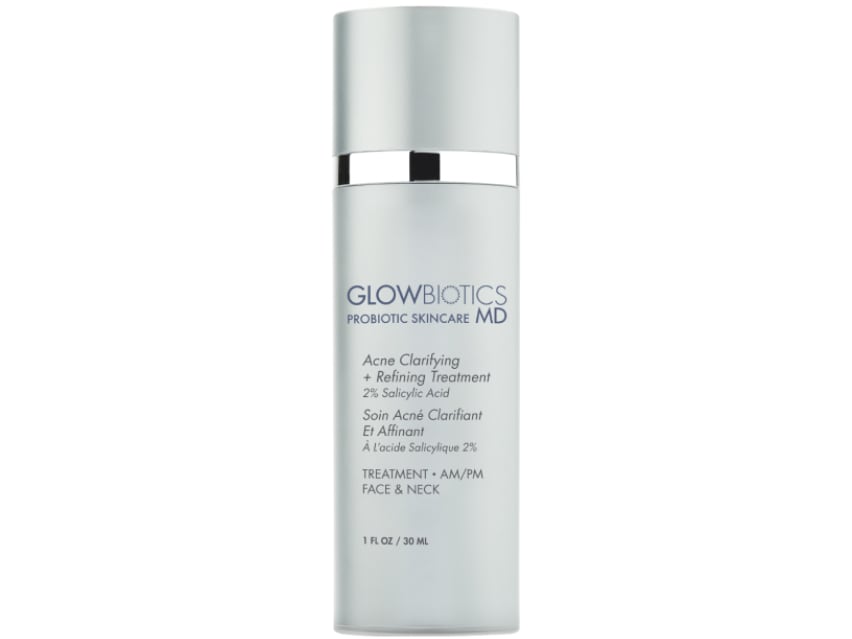
Acne serum has become one of the most popular skincare solutions for people struggling with breakouts, clogged pores, and uneven skin texture. Unlike heavy creams or basic cleansers, acne serum is designed to deliver concentrated active ingredients deep into the skin, targeting the root causes of acne rather than just surface symptoms 暗瘡精華. With consistent use, it can help reduce inflammation, control excess oil production, and improve the overall appearance of the skin.
Acne is a common skin condition that affects people of all ages, not just teenagers. It can be triggered by hormonal changes, stress, poor skincare habits, diet, or environmental factors such as pollution. When pores become clogged with oil, dead skin cells, and bacteria, breakouts begin to form. This is where acne serum plays an important role by penetrating deeply into the skin layers and working at a cellular level to restore balance.
One of the key benefits of acne serum is its lightweight texture. Unlike thick creams that may sit on top of the skin and potentially clog pores, serums are formulated to absorb quickly. This allows active ingredients like salicylic acid, niacinamide, tea tree extract, or benzoyl peroxide to work more efficiently. These ingredients help exfoliate dead skin cells, reduce bacteria, and calm irritated skin, making acne serum a powerful addition to any skincare routine.
Another important advantage of using acne serum is its ability to control excess sebum production. Oily skin is one of the main contributors to acne development, and when the skin produces too much oil, pores become blocked more easily. Many acne serums are designed with oil-regulating ingredients that help balance the skin’s natural moisture levels without over-drying it. This balance is crucial because overly dry skin can actually trigger more oil production, worsening acne over time.
Acne serum also helps reduce inflammation, which is a major factor in painful, red, and swollen breakouts. Ingredients such as niacinamide and green tea extract are commonly used for their soothing properties. They calm irritated skin, reduce redness, and promote faster healing of active pimples. This not only improves the appearance of the skin but also minimizes the risk of acne scars forming after breakouts heal.
Hyperpigmentation and acne scars are another concern for many individuals dealing with acne-prone skin. After a breakout heals, it often leaves behind dark spots or uneven skin tone. Acne serum can help fade these marks over time by encouraging skin cell turnover and promoting the growth of new, healthy skin cells. Ingredients like vitamin C, retinol, and alpha hydroxy acids are often included in acne serums to support skin brightening and repair.
Using acne serum correctly is essential to achieve the best results. It is usually applied after cleansing and toning the skin but before moisturizing. A small amount is enough because serums are highly concentrated. Gently applying it to affected areas or the entire face allows the active ingredients to absorb effectively. Consistency is key, as most acne serums take several weeks to show visible improvement.
Choosing the right acne serum depends on your skin type and the severity of your acne. For oily and acne-prone skin, a serum containing salicylic acid can help unclog pores and reduce blackheads. For sensitive skin, a gentler formula with niacinamide or aloe vera may be more suitable. Those dealing with stubborn acne might benefit from stronger ingredients like retinol, although it should be introduced slowly to avoid irritation.
It is also important to combine acne serum with a proper skincare routine. Cleansing the skin twice a day helps remove dirt, oil, and impurities that can contribute to breakouts. A gentle moisturizer is necessary to keep the skin hydrated, even if it is oily or acne-prone. Sunscreen is another essential step, especially when using active ingredients like retinol or acids, as they can make the skin more sensitive to sunlight.
Lifestyle factors also play a significant role in acne management. While acne serum can significantly improve skin condition, maintaining a healthy diet, drinking enough water, and managing stress levels can enhance its effectiveness. Foods high in sugar and processed ingredients may trigger breakouts in some individuals, while a balanced diet rich in fruits, vegetables, and healthy fats can support clearer skin.
Patience is important when using acne serum because skincare results do not happen overnight. The skin needs time to adjust to active ingredients and go through its natural renewal cycle. In some cases, mild purging may occur at the beginning, where existing impurities rise to the surface before the skin starts improving. This is usually temporary and part of the healing process.
Overusing acne serum can sometimes lead to irritation or dryness, especially if the product contains strong active ingredients. It is important to follow the recommended usage instructions and avoid layering too many active products at once. A simple and balanced skincare routine is often more effective than an overly complicated one.
Acne serum has become an essential part of modern skincare due to its targeted and effective approach. Whether dealing with occasional breakouts or persistent acne, it offers a practical solution for improving skin clarity and texture. With regular use, the skin becomes smoother, clearer, and more balanced, boosting confidence and overall skin health.
In conclusion, acne serum is a powerful skincare product that addresses multiple causes of acne, including excess oil, clogged pores, bacteria, and inflammation. Its concentrated formula allows for deep penetration and effective treatment of skin concerns. When used consistently and correctly as part of a complete skincare routine, it can significantly improve acne-prone skin and help achieve a healthier, more radiant complexion.